In Palestine, especially in Gaza, food insecurity is part of daily life. Families make food decisions based on availability or price and not as a preference. Meals are planned around what is available and what is affordable. Qurbani donations deliver much-needed meat to people in Palestine and Gaza, where getting enough protein has been a real struggle for a long time.
UK Islamic Mission (UKIM) handles these donations for the sacrifice carefully. We run a Gaza Emergency Appeal and other projects to make sure help gets to families who depend on outside support to get by and survive.
Right now in Gaza, the food situation is still very tough. UN reports, and the World Food Programme show that about 1.6 million people, that's around 77% of everyone there, are dealing with serious food insecurity. Over 100,000 children, plus 37,000 pregnant or breastfeeding women, face acute malnutrition, with numbers rising every day.
After the ceasefire, things got a bit better with more aid coming in, but in early 2027, rations have been cut back because stocks have run low. Some months’ distributions only cover part of what people need calorie-wise. In such a situation, a Qurbani donation provides meat to families who would not otherwise be able to buy it.
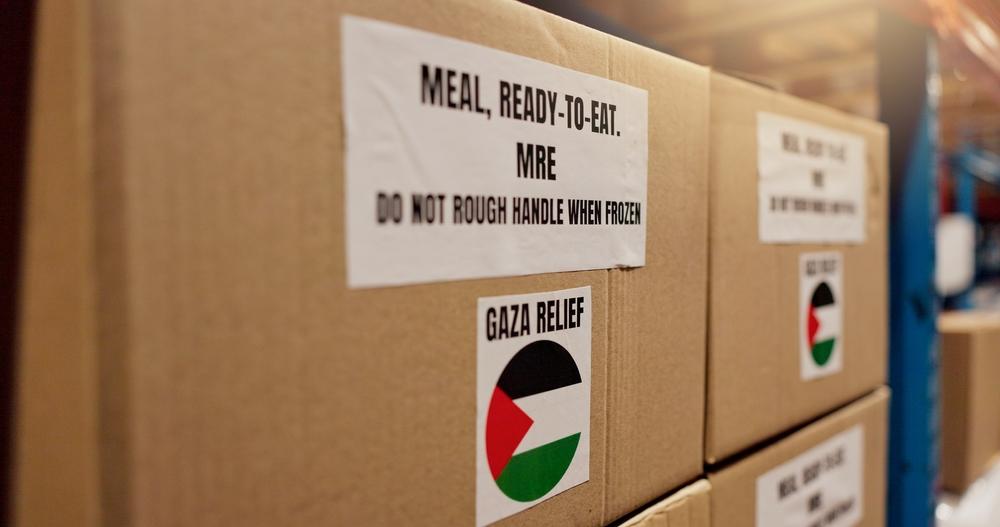
Meat from Qurbani fills a big hole in what people eat every day. It brings protein, iron, and other nutrients that basic foods like flour, rice, lentils, or canned goods just don't provide enough of. In Gaza, most families stick to those staples because meat, milk, cheese, or fresh fruit costs too much or isn't around. Thousands of kids under five need treatment for moderate to severe malnutrition, as not enough protein leads to stunting in kids, weaker bodies against sickness, and bigger problems for pregnant women and growing children over time.
When people donate Qurbani, it means portions of meat go straight to families for a quick nutrition boost. It helps them bounce back from poor diets and keeps them going when regular supply stocks run low, and deliveries are delayed or restricted. UKIM puts effort into food packs for Palestine that often include protein to give families nutrition for longer.
People living in conflict zones are forced to move, and broken infrastructure has wiped out a lot of local animal farming in Gaza. Farms can't produce as they did before, markets run short, and whatever is there costs way more than normal people can pay. More than 80% of people rely on charity just for basics, so without donations from outside, there's hardly any chance of meat, especially around Eid al-Adha.
The West Bank has its own issues with restrictions on moving around, checkpoints blocking access to land, and limits on water or other resources. Farming suffers from that, and jobs are uncommon, leading to high poverty. Qurbani charity help reaches such affected areas too, easing some of the pressure where things aren't as intense as Gaza, but still hard.
Livestock prices typically rise during Eid al-Adha. For families in crisis areas like the Gaza Strip, buying an animal or even a share is often not possible. When donors give Qurbani charity collectively through a structured programme, animals can be purchased in larger numbers rather than individually. This improves cost management and maintains consistent standards. It also helps avoid sudden spikes in local demand. Instead of many small purchases pushing prices higher in local markets, coordinated giving allows meat to be secured efficiently and distributed fairly.
So, collective Qurbani donations spread the financial responsibility among donors while making sure that vulnerable households still receive meat.
Getting the Gaza Qurbani meat to people needs to follow proper Islamic rules and deal with tough conditions on the ground. UKIM works with reliable partners to buy animals, carry out the sacrifice on the right days in Dhul-Hijjah, which are the 10th, 11th, and 12th, then share the meat with those who need it most, such as displaced families, widows, orphans, and refugees.
Plans sometimes need to change quickly in conflict zones because access conditions can shift. Maintaining compliance with religious guidelines while protecting food quality remains the priority. So, where access is really blocked, we use frozen or preserved meat to keep it safe during transport and make it last longer without good fridges or power. That way, it stays clean and doesn't go bad.
UKIM keeps things open and clear, focusing on the poorest communities in Palestine. This fits with our wider work, sending food packs, medical help, clean water, and more through networks that cover a lot of people. Each Qurbani donation follows a traceable process from purchase to delivery. These steps make sure that assistance is delivered as intended.
Beyond just food, the meat gives families a way to join in Eid traditions and sharing meals together feels normal again. In Gaza, lots of households manage on one meal a day or whatever rations come, so getting meat lets them mark the occasion with dignity instead of missing out.
It builds strength in communities by tackling hunger right away and working alongside other aid, such as daily hot meals or monthly parcels from bigger organisations. Steady protein cuts down on things like anaemia, kids not growing properly, and getting sick more easily when already weak.
UKIM's appeals for Gaza prove donations turn into real help for the huge number relying on support. Choosing UKIM for Qurbani in Gaza keeps it Shariah compliant and reaches those hit hardest by long-term hardship.
Preparation for Palestine Qurbani 2027 begins well before Eid. Livestock availability, pricing, transport routes, and storage capacity must be assessed early. Early donor participation supports stable planning and allows the sacrifice to be organised carefully rather than rushed.
Qurbani stands for giving up something and sharing with others, which is the main purpose of Eid al-Adha. Going through a trusted group like UKIM gets the meat further and to people cut off by war and money troubles. It satisfies the obligation and gives clear nutritional support in Palestine and Gaza.
Food insecurity in Palestine and Gaza is shaped by economic instability, restricted supply chains, and infrastructure challenges. Within these conditions, a properly managed Gaza Qurbani programme provides targeted assistance.
Qurbani in Gaza requires planning and flexibility, but it can be delivered effectively with clear systems in place. With early preparation and careful oversight, Palestine Qurbani 2027 can continue to provide direct support to families facing ongoing hardship. Keeping up regular support helps communities recover over time despite the ongoing difficulties. Purposeful Qurbani donations keep hopes alive!
Support Individuals In Need Around The World
"It is the Sunnah of your father Ibrahim (AS). For every hair of the Qurbani you receive a reward from Allah (SWT)."
The Prophet (PBUH) - (Hadith - Trimidhi)
Families in Gaza are facing hardship due to the current ongoing conflict. Qurbani donations provide food relief, allowing families to enjoy a nutritious meal during Eid al-Adha, bringing hope and dignity during difficult times.
After the Qurbani sacrifice is performed, the meat is distributed to those who are most in need. This includes orphaned children, and vulnerable families living in poverty.
Qurbani donations support the most vulnerable communities and displaced families facing severe food shortages. With many people relying on aid from outside the country, these Qurbani donations make a great different.
Yes. Many Muslims choose to donate their Qurbani online through trusted charities like UKIM. we arrange the sacrifice in selected locations and ensure the meat is distributed to those who need it most.
Copyright © 2026 UKIM All Rights Reserved.
UK Registered Charity Since 1962
Charity Registration No. 250275