Hajj is the fifth Pillar of Islam, and is a sacred pilgrimage that Muslims make to the city of Makkah. It is the core act of worship that physically and financially able Muslims must perform at least once in their lifetime. Hajj takes place every year during the final month of the Islamic calendar, the month of Dhul Hijjah. This pilgrimage brings together believers from across the world, from different cultures, languages, and backgrounds, in unity and devotion to Allah.
Learning about the Pillars of Islam is a key part of understanding Islamic practices. It is important to understand that Hajj is not only a physical journey, but a journey of the heart that focuses on sincerity and obedience to Allah. Find out more about this fifth and final Pillar of Islam through this blog, and find out what the Hajj Pilgrimage is, and why it is so important.
Hajj is the pilgrimage that honours the actions and sacrifice of Prophet Ibrahim (AS), his wife Hajar, and their son Ismail (AS). Their story is what teaches the believers about the trust in Allah, the sacrifice that must be made in His name, and submission that needs to be taken for Him. The rituals of Hajj, such as walking between the hills of Safa and Marwah, and the stoning of the devil, are all that connect these historic events together.
Allah tells us in the Quran “And proclaim to the people the Hajj, they will come to you on foot and on every lean camel; they will come from every distant pass” [Quran 22:27]. Hajj has been commanded by Allah, a commandment which continues to live and be followed by Muslims today.
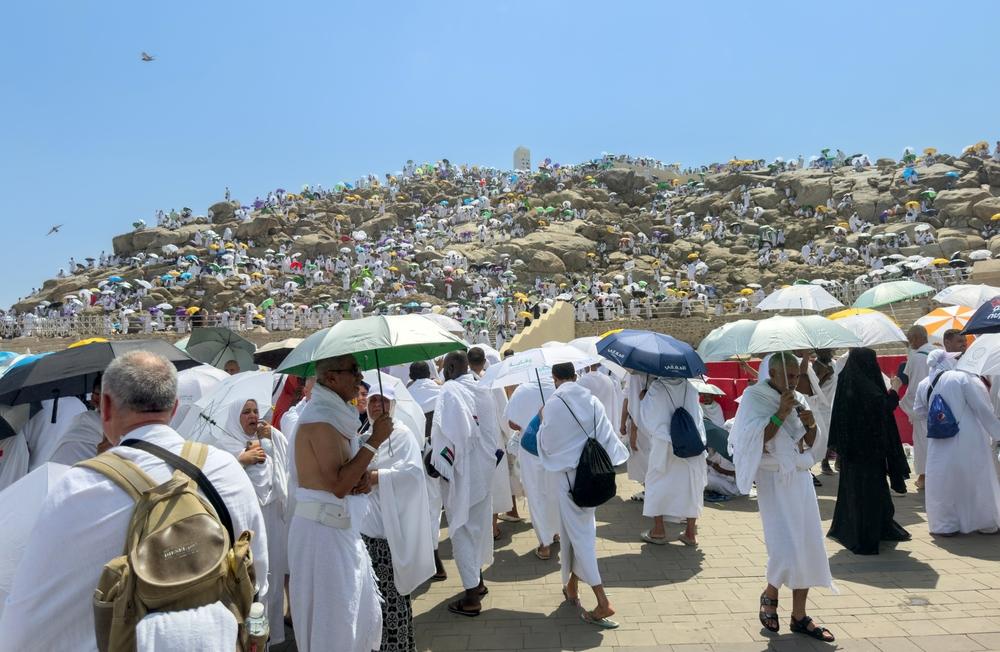
During the Hajj pilgrimage, Muslims wear a simple white garment called the Ihram, which removes all signs of status and wealth, making every believer equal before Allah. Pilgrims then perform acts of worship over several days, which includes circling the Kabba (performing Tawaf), making sincere supplication, and standing in prayer on the plains of Arafah. The Day of Arafah is the most important day of Hajj, when Muslims seek the Mercy of Allah, and ask Him for His forgiveness.
The Prophet Muhammad (Peace be Upon Him) has said “Hajj is Arafah” (Tirmidhi). The repentance during the pilgrimage at Arafah is the most important act during Hajj.

“There are no days during which righteous deeds are more beloved to Allah than these days (of Dhul Hijjah‑).” (Ibn Majah)
The main rituals of Hajj take place over the five days of Dhul Hijjah, from the 8th to the 12th of the month. However, many pilgrims travel early to Makkah to prepare themselves physically and spiritually before their journey of Hajj begins. Some pilgrims choose to stay behind in Makkah after the completion of their Hajj to visit other sacred sites.
Though the period of Hajj is completed within the set number of days in Dhul Hijjah, the preparation and travel time before Hajj could take several weeks for pilgrims who are travelling from countries like the United Kingdom.
Closely related to the question above is how many days are in Hajj. The pilgrimage spans across five days, with each specific day spent in an act of worship. These steps include initially entering the state of Ihram, then travelling to Mina, standing at Arafah, staying the night in Muzdalifah, before returning to Mina to fulfil further rituals before the completion of the pilgrimage in Makkah.
Each step carried out is a sign and symbol of obedience and sacrifice in the name of Allah. The nature of these days is to teach the believer the acts of patience and discipline, all of which are encouraged to be continued into the day-to-day lives of a Muslim upon returning home.
O people! Hajj (pilgrimage to the House of Allah) has been made obligatory upon you, so perform Hajj. [Muslim]
Hajj holds a deep spiritual meaning for a believer as it represents unity amongst the creation of Allah, a chance to be forgiven of all sins, and a fresh start in life. Muslims describe Hajj as a life-changing experience which allows them to connect with Allah and strengthen their faith through this connection.
It has been narrated that the Messenger of Allah said, “Whoever performs Hajj for the sake of pleasing Allah and therein utters no word of evil, nor commits any evil deed, he returns from it as free from sin as the day on which his mother gave birth to him.” (Bukhari)
Spiritual purification is associated with Hajj, as it is a journey of commitment to living a righteous life, along with renewing one's faith.
Hajj also teaches equality, as people of all races and nationalities stand together, side by side in worship. This image is a reminder to believers that dignity is not from wealth and status, but from faith and character.
“Perform the Hajj and ‘Umrah pilgrimages, one after another, for they both erase poverty and sins just as the furnace removes impurity from iron, gold, and silver. There is no reward for an accepted Hajj but Paradise.” [Tirmidhi]
Both Hajj and Umrah are pilgrimages made to Makkah. However, Hajj is compulsory upon every believer, ordained at the time of Dhul Hijjah, whereas Umrah is an optional pilgrimage and can be performed at any time of the year. Hajj also includes rituals which take place during specific days of Dhul Hijjah, whilst Umrah involves fewer acts of worship and is completed within the day.
Hajj, being one of the Five Pillars of Islam, gives it a unique status, and completing Hajj fulfils a religious duty upon a believer. On the other hand, Umrah is an additional act of devotion carrying great reward through its own accord.
Beyond its rituals, Hajj teaches Muslims many life lessons. It encourages patience through its acts of physical hardship, humility through its simple clothing, generosity through sharing, and unity through worshipping together. Pilgrims often come back from Hajj with a stronger sense of purpose, aiming to live their lives more ethically and in compassion.
Hajj is also a reminder to Muslims of the Day of Judgement, where people will stand before Allah in equality. The Ihram, which is worn by pilgrims, is reminiscent of the burial shroud, which reminds the believer that the status of this world doesn’t matter in the hereafter.
It goes without saying that Hajj is a deeply spiritual and meaningful goal. Many families in the UK and around the world spend years saving money and preparing for this journey of a lifetime. Community organisations such as UKIM provide guidance and support for pilgrims before they travel.
Learning about the Hajj pilgrimage is there to benefit those who may not yet be able to go. To understand its meaning and the purpose behind Hajj is what helps Muslims appreciate the importance of it, and the unity and sacrifice which comes with it.
So, what is Hajj? Hajj is the journey of devotion, the step towards worship and sacrifice, and a Pillar which draws Muslims closer to Allah through action. Its rituals bring spiritual transformation, teaching lessons that continue long after its journey ends.
Understanding the importance of the pilgrimage of Hajj is what can help Muslims appreciate the depth of this Pillar of Islam. The understanding of the difference between Hajj and Umrah can also clarify the unique role that Hajj plays in the life of a believer.
For Muslims around the world, Hajj remains a powerful reminder that faith does not rest on belief on its own, but it’s also about action and sacrifice, all to the devotion and for the sake of Allah.
Support Individuals In Need Around The World
"It is the Sunnah of your father Ibrahim (AS). For every hair of the Qurbani you receive a reward from Allah (SWT)."
The Prophet (PBUH) - (Hadith - Trimidhi)
It is permissible for a person to perform Hajj on behalf of someone who has passed away or unable to permanently travel for Hajj due to illness or old age.
Spiritual preparation is key when it comes to Hajj. Learning the rituals of the pilgrimage and making sincere intention is one of the best ways to be prepared.
Yes, women are permitted to perform Hajj if they meet the necessary conditions. In many cases, this would mean they must travel with a close male relative.
Hajj is the Fifth Pillar of Islam which means that it is a pilgrimage that must be performed by all Muslim believers who are able to do so. It allows the Muslim community to spiritually renew themselves and refresh their relationship with Allah.
Copyright © 2026 UKIM All Rights Reserved.
UK Registered Charity Since 1962
Charity Registration No. 250275