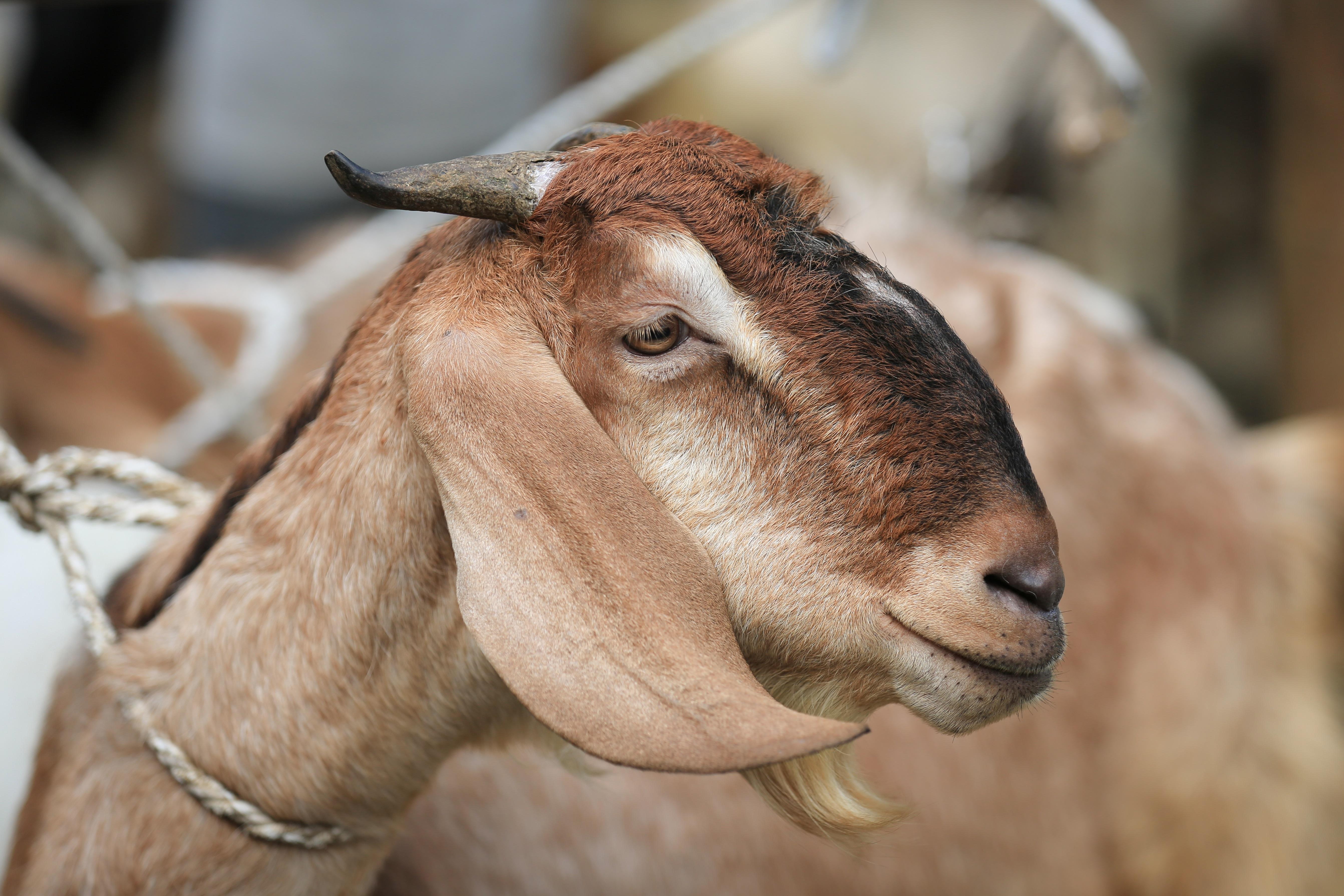
Qurbani is a sacred act of worship in Islam. The ritual of Qurbani marks the great sacrifice of Prophet Ibrahim (AS) and the ultimate sacrifice of his son, Ismail (AS), in devotion to Allah. Muslims give Qurbani every year to honour and relive this devotion. Qurbani is not only an act of sacrificing an animal, but a deeper demonstration of obedience to Allah and compassion towards those in need.
One of the most common questions asked is whether Qurbani is Farz. Scholars differ slightly in their opinions here. According to the Hanafi school of thought, Qurbani is considered Wajib, meaning obligatory to those who meet the required conditions. Other schools regard it as a highly recommended Sunnah. Despite the difference in belief, scholars agree on the importance of Qurbani and encourage it upon every eligible Muslim who can participate in this ritual.
Allah says in the Quran “Indeed, We have granted you al-Kawthar. So, pray to your Lord and sacrifice.” (Quran 108:1–2)
The Messenger of Allah (Peace be Upon Him) highly emphasised the value of Qurbani, saying, “Whoever has the means but does not offer a sacrifice, let him not come near our place of prayer.” (Ibn Majah)
Understanding who must give Qurbani helps Muslims fulfil their religious duties accurately. According to the Hanafi School of Thought, Qurbani is compulsory upon an adult who has reached puberty, is of sound mind, and possesses wealth beyond their basic needs that reaches the Nisab threshold.
Islam doesn’t burden a soul beyond what they are capable of, and so Qurbani is not required by those who don’t have the sufficient means and funds. Once a person becomes financially independent and meets the Nisab amount during the days of Eid al-Adha, Qurbani becomes necessary for them.
So, who is Qurbani compulsory on in practical terms? It is compulsory on Muslims who are mature, financially able, and not travelling during the days of sacrifice. Both men and women are equally responsible if they meet these conditions. Children are not required to give Qurbani, although parents may offer it on their behalf as a voluntary act. Islam encourages responsibility without causing difficulty, which is why those facing hardship are not required to perform Qurbani.
“And complete the Hajj and ‘umrah for Allah. But if you are prevented, then [offer] what can be obtained with ease of sacrificial animals. And do not shave your heads until the sacrificial animal has reached its place of slaughter. And whoever among you is ill or has an ailment of the head [making shaving necessary must offer] a ransom of fasting [three days] or charity or sacrifice. And when you are secure, then whoever performs ‘umrah [during the Hajj months] followed by Hajj [offers] what can be obtained with ease of sacrificial animals. And whoever cannot find [or afford such an animal] - then a fast of three days during Hajj and of seven when you have returned [home].” [Quran, 2:196]
Allah (SWT) has given clear guidelines about Qurbani meat in the Quran. “……eat of them and feed the one who is content and the one who wishes to receive. Thus, We have made them (the animals) subjugated to you, so that you may be grateful.” [Quran: 22:36]
It has been narrated that the Prophet Muhammad (Peace be Upon Him) also said “Eat some, store some and give some in charity.” [Muslim]
The Messenger of Allah (Peace be Upon Him) taught generosity through his own actions. It is reported that he sacrificed on behalf of himself and his family, and even on behalf of those in his Ummah who could not afford to give Qurbani themselves. This alone tells us the social benefit and acts of compassion that come with Qurbani.
Considering Islamic guidance, Qurbani meat is normally split into three equal shares, one for the donor, one for friends and family and one for those in need.
When you donate your Qurbani through UK Islamic Mission, we ensure your Qurbani meat is distributed according to the prescribed rules. You can donate your sacrifice to UKIM, and our team will deliver it to the most vulnerable individuals in identified areas.
In many households, one Qurbani from the head of the family may be offered on behalf of everyone living in the house. However, if other adult members are financially able, scholars encourage them to perform their own Qurbani to gain additional reward. Intention is important, and the person offering the sacrifice should clearly intend for whom the sacrifice is on behalf of.
Intention is key as established from the Sunnah of the Prophet (Peace be Upon Him) who sacrificed a ram and said the following words before slaughter “In the name of Allah; O Allah, accept (this sacrifice) on behalf of Muhammad and the family of Muhammad and the ummah of Muhammad.”
To perform Qurbani on behalf of family members, one must form the intention of doing so. Without including them in the intention, their Qurbani would not be valid.
Qurbani is performed annually during the days of Eid al-Adha, specifically on the 10th, 11th, and 12th of Dhul Hijjah. The Prophet Muhammad (Peace be Upon Him) offered Qurbani every year in Madinah. The yearly nature of this act reminds believers to renew their faith, gratitude, and generosity regularly.
The importance of Qurbani goes beyond the sacrifice itself. Allah tells us in the Quran “It is neither their meat nor their blood that reaches Allah, but it is your piety that reaches Him.” (Quran 22:37)
Sincerity and devotion are what truly matter. Qurbani reminds Muslims of obedience to Allah, encourages charity, and strengthens bonds between communities. It is an opportunity to reflect on the acts of sacrifice, gratitude, and compassion for others.
You can fulfil your Qurbani through UK Islamic Mission, ensuring the sacrifice you make is carried out in accordance with Islamic guidelines and distributed accurately to those most in need. Your contribution can bring joy to vulnerable families and allow them to celebrate the day of Eid with dignity.
By giving your Qurbani through UKIM, you are not only fulfilling a religious duty but also sharing blessings with communities around the world.
Yes, if both the husband and wife individually meet the financial requirement, then each person must give their own Qurbani.
Qurbani isn’t compulsory on children who have not yet reached puberty. According to the Hanafi School of Thought, Qurbani is obligatory upon adult Muslims who are financially able to give the sacrifice.
Yes, if a Muslim meets the conditions each year during Eid al-Adha and holds wealth above their basic needs then Qurbani is necessary upon them every year.
In many cases, yes. If you are eligible to pay Zakat because your wealth reaches the Nisab threshold, then you will also be required to give Qurbani during Eid al-Adha.
Copyright © 2026 UKIM All Rights Reserved.
UK Registered Charity Since 1962
Charity Registration No. 250275