The sacred act of worship of Qurbani holds great significance due to the important Islamic history tied to it. It’s an act that is highly encouraged for all able Muslims around the world to do at a specific time of the Islamic year in the month of Dhul Hijjah. This is the 12th and final month of the year and is a very spiritually important time because of various events that occur within it. It’s filled with countless opportunities for Muslims to strengthen their faith and grow closer to Allah (SWT) through worship that fulfils obligations and helps those in need. One of the events and acts of worship that make the month so important is the holy pilgrimage of Hajj. This is a duty for Muslims to complete in their lives as it makes up one of the five pillars of Islam. Another event is Eid ul-Adha, when the act of Qurbani occurs, which is a celebration filled with joy, worship and togetherness. Eid falls on the 10th of Dhul Hijjah and Qurbani begins after the Eid Salah (prayer) on the first day.
As Qurbani is a huge part of Eid, it can leave many wondering why Qurbani is performed on Eid ul-Adha. There are numerous reasons why the act of worship is done during Eid which are important to understand to be able to observe it correctly. Explore why this act of worship is done during Eid and learn more about fulfilling this sacred obligation in our guide.
Qurbani is an animal sacrifice that’s made to Allah (SWT) to show love and devotion for Him. It’s an act of worship that commemorates the great sacrifice of Prophet Ibrahim (AS) and gives Muslims the chance to bring that same devotion and willingness to obey Allah’s command into their lives. The sacrifice seeks Allah’s pleasure and gives believers rewards, when Qurbani is done properly.
The sacrifice must follow specific regulations to count as Qurbani. These regulations are stated in the Quran and state that it must be:
This act brings the ummah together in worship and compassion, as not only is it a virtuous act that earns rewards, but it also helps those facing unimaginable hardship and poverty. The meat from the sacrifice is traditionally given in three parts for the one who sacrificed, their family and friends and those in need. However, Muslims in the UK have to donate Qurbani to charity due to strict slaughter regulations. Believers donate the value of a share in an animal, with a small animal equalling one share and a large animal equalling seven shares, to a trusted charitable organisation, like UKIM. This gives all of the meat to those in desperate need around the world to provide them with nourishing, healthy meals to help end their suffering.
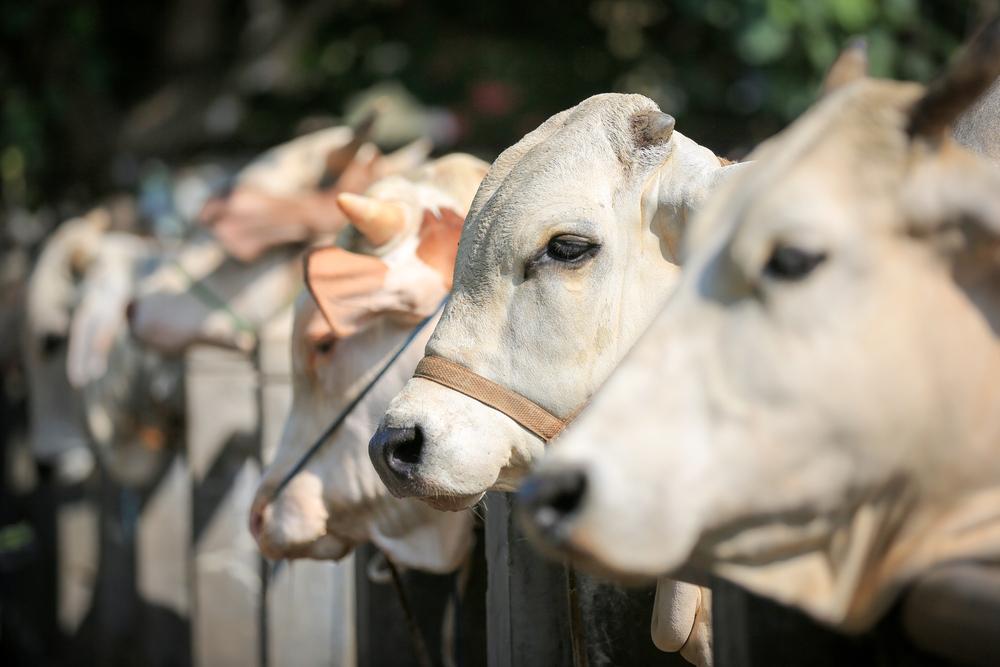
When it comes to the significance of Qurbani, it all lies within the story of the Prophet Ibrahim (AS). This is a vital part of Islamic history and is what began the ritual of Qurbani. The story starts with the Prophet Ibrahim (AS) being commanded to sacrifice his only son, Ismail (AS), by Allah (SWT). This was a message that came multiple times to Ibrahim (AS) in his dreams, so he knew that it must be done to stay devoted to Allah (SWT). Even though it pained him, Ibrahim (AS) showed unwavering commitment to Allah’s word by taking Ismail (AS) to Mount Arafat to carry out the sacrifice. His son knew that the command must be obeyed and said to his father:
“O my father, do as you are commanded. You will find me, if Allah wills, among the steadfast.” [Quran 37:102]
Both men showed pure devotion to their faith and never hesitated to fulfil the command. Right when Ibrahim (AS) was about to sacrifice his son, Allah (SWT) interrupted and rewarded his loyalty by sending down a ram to sacrifice in place of Ismail (AS). This story shows Muslims that Qurbani is important because it’s an opportunity to bring that same level of devotion to Allah (SWT) into their lives. It also highlights that the intention of the sacrifice and having sincerity, obedience and taqwa (consciousness of God) is the most essential part of the act.
With the sacrifice taking place during the celebration of Eid ul-Adha, it makes it even more significant. The celebration is known as the festival of sacrifice since Qurbani makes up a huge part of the days. As well as this, it’s also known as the Greater Eid because it’s very spiritually significant and is a time for every Muslim to get together in celebration. Eid ul-Adha is four days long and begins on the 10th of Dhul Hijjah, which is the main day. The extra three days, know as the tashreeq days, continues the celebrations and provides more time for the sacrifice to be made. During these days, Muslims will spend time with their families, friends and their communities by eating traditional dishes, exchanging gifts, giving money (Eidi) and praying together to strengthen faith.
The importance of Qurbani on Eid ul-Adha is that it kickstarts the celebrations in the right way and acts as a reminder for every believer to spend their time in worship and devotion. Typically, the sacrifice should be done on the first day of Eid, but it can be done up until sunset on the fourth day to keep the devotion to Allah (SWT) a priority throughout the celebrations. Qurbani for Eid ul-Adha is also essential as it gives everyone the chance to join in the celebrations and feel the joy of Eid, no matter their financial situation. This is because it gives those facing hardship, poverty and hunger the sustenance they need to survive, providing them with healthy food that they don’t usually get to have.
So, why do we do Qurbani on Eid? Basically, Eid ul-Adha Qurbani is done during the celebrations because it serves to keep faith strong at a time of joy. It reminds believers that they should always be devoted and loyal to Allah (SWT) and show Him their submission, while honouring the Prophet Ibrahim’s (AS) willingness to sacrifice his only son. It’s also done during Eid to spread compassion and joy to those who are suffering and facing immense hunger, helping to relieve their struggles and bring hope for a better future.
Eid ul-Adha Qurbani helps the needy in numerous ways. One of the main purposes of this act of worship is to help those who cannot feed themselves with healthy, nourishing meals to save their lives. This makes the significance of Qurbani even greater, since it’s not just about a personal spiritual journey – it makes a meaningful difference to countless lives. It’s about the poor’s survival as, without the meat from the sacrifice, these vulnerable families won’t have a proper meal during Eid ul-Adha and will continue to face extreme hunger. In fact, most of these needy people don’t get to have meat at any other time of the year because it’s a luxury to them that they can’t afford. Your Qurbani is essentially what help families in poverty feel the joys of Eid, while allowing them to get away from their dire circumstances and live a healthier life.
Give your Qurbani for Eid ul-Adha to UKIM in 2027 to help those in desperate need across the world. Our team works in some of the most poverty-stricken areas and conflict zones to provide those facing hardship and hunger with nourishing meals that help them survive. We offer you the chance to choose the animal and the region the sacrifice will go to, so that you can help the most needy and vulnerable families put food on their tables this Eid ul-Adha. Through your obligation, we can help save countless lives and end their suffering, giving them joy and hope during the celebrations.
Donate your Qurbani to make a meaningful difference to many lives and help them find a way out of poverty and hardship.
Support Individuals In Need Around The World
"It is the Sunnah of your father Ibrahim (AS). For every hair of the Qurbani you receive a reward from Allah (SWT)."
The Prophet (PBUH) - (Hadith - Trimidhi)
Animals that are eligible for Qurbani include goats, sheep, cows, bulls, and camels. The animal must be healthy, of a certain age, and free from defects according to Islamic guidelines.
Yes, many Muslims choose to perform their Qurbani through trusted charities such as UKIM to distribute the meat to communities that are living in poverty around the world.
Qurbani is not just about the sacrifice of an animal. It is a representation of kindness and obedience to Allah. It encourages Muslims to share their blessings with those less fortunate, along with making it an act of devotion to Allah.
The meat from Qurbani is divided into three parts, one for the family, one for relatives and friends, and one portion for those in need. Many choose to donate their full Qurbani through charities such as UKIM so that the vulnerable communities around the world can benefit from it.
Copyright © 2026 UKIM All Rights Reserved.
UK Registered Charity Since 1962
Charity Registration No. 250275