“For every Ummah (religious community) We prescribed the act of sacrifice, so that they recite Allah’s name over the provision He gave them from the cattle. So, your God is One God. Therefore, to Him alone you must submit. And give good news to those who turn to Him with humbleness.” [Al-Quran 22:34]
During the sacred month of Dhul Hijjah, the last month of the Islamic year, is the celebration of Eid ul-Adha and the act of worship of Qurbani. This is a time for Muslims all around the world to come together in worship, devotion and celebration, strengthening their relationships with Allah (SWT) and one another. Family, friends and the community share traditional dishes during Eid and give gifts to one another, while also helping to feed the poor and hungry to share the joys of Eid with them. This is done through Qurbani, which is a sacrifice of an animal to Allah (SWT). The purpose of this sacrifice is to give the meat to the less fortunate so that they can join in the celebrations, as well as show devotion to Allah (SWT) and commemorate the Prophet Ibrahim (AS). It allows Muslims to dedicate themselves to God in the same way Ibrahim (AS) did because he was willing to sacrifice his only son for Allah (SWT), earning them rewards by pleasing Him.
The sacrifice is a very important part of the Eid ul-Adha celebrations and must be done by all able Muslims to strengthen their faith and save the lives of those living in poverty. However, there are certain Islamic regulations in place to determine who can do Qurbani and the correct way to do it, which must be followed to complete the sacrifice correctly. These Qurbani rules are essential to understand to ensure that you don’t invalidate your sacrifice.
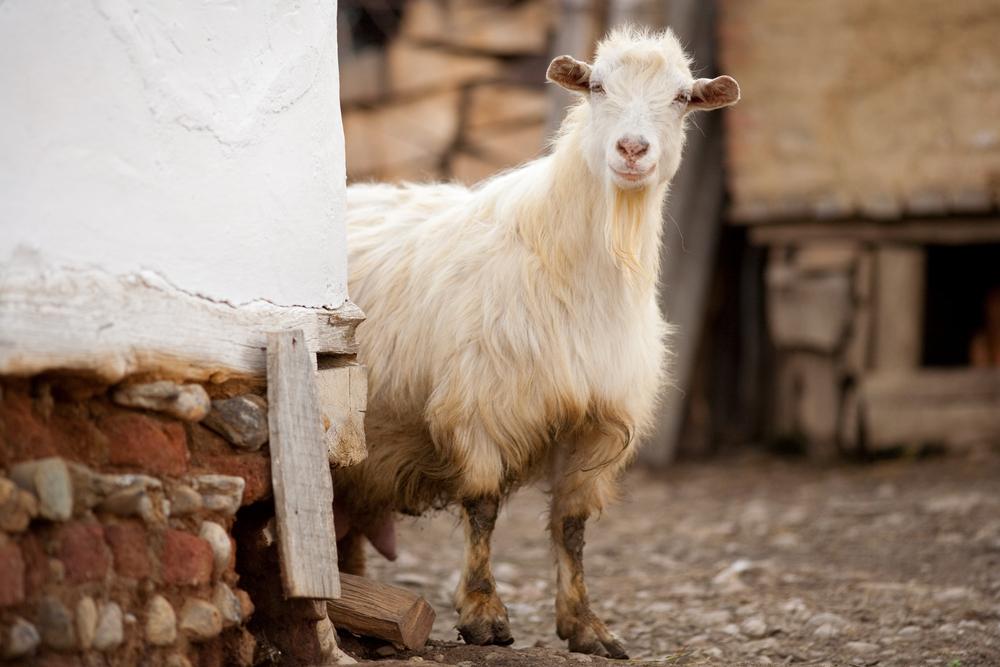
The first Qurbani rules that you need to understand is that the act is all about sincerity and obedience. This means that when a Muslim gives the sacrifice, they must have a sincere intention and show obedience to Allah (SWT) for it to count. These initial rules should be implemented right from the beginning of Qurbani after the Eid Salah (prayer) on the first day of the celebration.
It’s important to follow these rules because being sincere and obedient is shown many times in Islamic history, going all the way back to the time of Adam (AS) when his sons offered a sacrifice. Allah (SWT) accepted one but not the other due to their intentions.
“And recite to them the story of the two sons of Adam rightly: When both of them offered a sacrifice, it was accepted from one of them, and was not accepted from the other. He said, ‘I will kill you.’ He said, ‘Allah accepts only from the God-fearing’.” [Al-Quran 5:27]
There are specific rules of Qurbani mentioned in the Quran that outline who is eligible to do the sacrifice. These rules are similar to those for Zakat and determine that a Muslim must be:
If a believer meets these rules, they should give Qurbani during Eid ul-Adha.
There can be confusion about giving Qurbani when it comes to husband and wife, with many Muslims thinking that a joint sacrifice can be given. However, this is not the case. When it comes to the Qurbani rules for husband and wife, there cannot be a joint sacrifice if both spouses meet the rules of Qurbani mentioned in the Quran. If this is the case, they must both give their own sacrifice because they meet the conditions to give it.
The only way a husband and wife can do a joint Qurbani is if they each purchase a share in a larger animal, like a cow or camel, because this will be done on behalf of the people who purchased each share (which is up to seven shares). This ensures that both of them fulfil their responsibility correctly, while doing the worship together.
The Qurbani rules for family states that every eligible person in the family or household should donate toward the sacrifice. This means that it’s the responsibility of each eligible person to ensure they give Qurbani correctly. Now, this doesn’t mean that eligible family members have to do the sacrifice separately. Everyone can pitch in to purchase one large animal that will include everyone in the same sacrifice together. A large animal is equal to seven shares, so seven eligible family members can each buy one share to make it more affordable and ensure the family has a shared sacrifice.
As well as this, Qurbani can include non-eligible family members when it comes to the sacrifice. A Muslim can include names of family members who cannot give Qurbani in their sacrifice if they wish to do so, as well as include loved ones who have passed away.
There aren’t any Qurbani rules for children because they aren’t eligible to do the sacrifice. Only Muslims who are adults and above the age of adolescence are obligated to offer Qurbani, as long as they meet the requirements. So, children don’t need to be included in your Qurbani, but you can choose to perform it on their behalf if you want to.
If you want to include others in your sacrifice or are carrying Qurbani out on someone else’s behalf, then the Qurbani rules state that you must specify the names of those you are doing the sacrifice for. An individual can appoint another person to perform Qurbani on their behalf. However, at the time of Qurbani, the slaughterer should make an intention to do it on behalf of those participating in the sacrifice and mention their names.
In the Quran there are specific Qurbani distribution rules that must be followed to make a sacrifice valid and allow Muslims to follow Sunnah. This is to divide the meat into three parts. One part is kept by the person making the sacrifice, the second portion is gifted to friends, and the third part is distributed amongst people experiencing poverty and the needy. Allah (SWT) says in the Quran:
“So eat of them and feed the miserable and poor.” [22:28]
The Qurbani sacrifice rules for animals state that they should be a Halal animal, so that they meet the requirements for slaughter in Islam. Another condition is that the person offering the sacrifice should have ownership of the Qurbani. Besides this, there are rules regarding the timing, age, and health of the sacrificial animal.
Qurbani must be offered between the Eid prayer on the first day and the sunset on the last day of Eid ul-Adha. This means that the sacrifice is valid from on the 10th, 11th and 12th of Dhul Hijjah. Any sacrifice after this is not valid for Qurbani.
Within the Qurbani sacrifice rules, there’s a minimum age that the animals must be in order to be used for the sacrifice. These are:
It is important to note that large animals make up to seven shares, while small animals consist of one Qurbani share.
Another requirement is that the animal should be healthy and without obvious defects, such as blindness, limping or loss of limbs.
Give your Qurbani to UKIM and help vulnerable individuals in areas suffering from poverty and disaster. Out teams will ensure your sacrifice is performed in accordance with the necessary rules and the meat is distributed to those who deserve it most.
Large animals such as cows, bulls, or a camel can be shared by up to 7 people, however small animals such as sheep and goat count as only one share of Qurbani.
If the sacrifice takes place before the Eid prayer on the 10th of Dhul Hijjah, it does not count as Qurbani. The sacrifice must be performed after the Eid prayer and up until the evening of the 13th of Dhul Hijjah.
Yes, Qurbani can be performed on behalf of another person. This can include family members, and even those who have passed away. The intention behind the sacrifice should be made for the person it is being performed for.
Children below the age of puberty are not required to give Qurbani. However, parents can choose to offer a sacrifice on their behalf as a voluntary act.
Copyright © 2026 UKIM All Rights Reserved.
UK Registered Charity Since 1962
Charity Registration No. 250275